Elimination of food waste from the landfill locally will reduce environmental harm, save money, and provide a model for other communities.
Park City, UT – January 11, 2024 – Following the
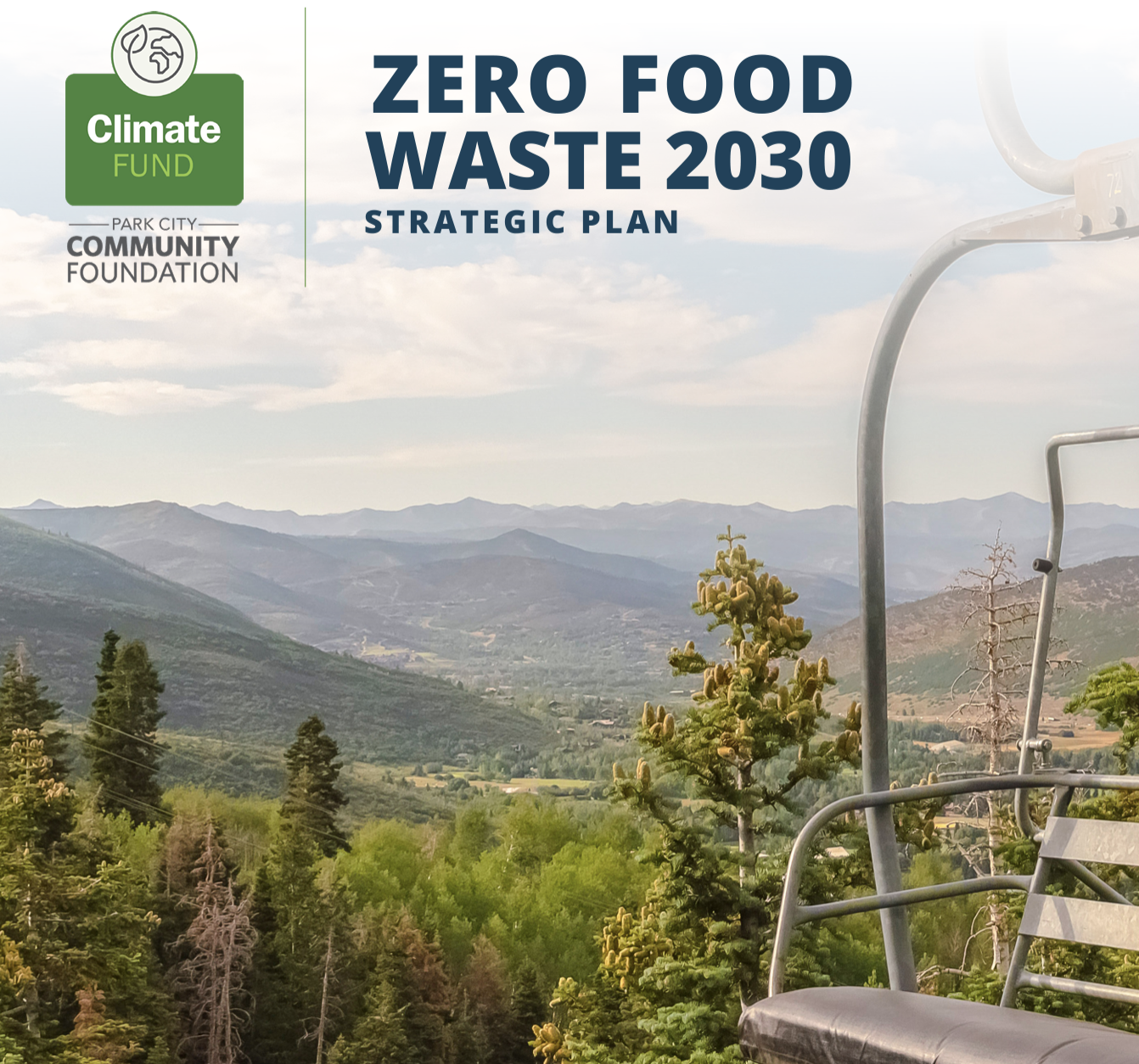
announcement of the Zero Food Waste 2030 goal last spring, Park City Community Foundation’s Climate Fund released its strategic plan today, which outlines objectives, strategies, and next steps to eliminate food waste from the landfill by 2030.Food waste is a major contributor to the climate crisis because it releases methane, a greenhouse gas that is 84 times more potent than carbon dioxide. A 2019 waste and recycling composition study commissioned by Summit County indicates that roughly 80% of the solid waste that reaches the local landfill could be diverted, with 40-60% of that being food waste.“Eliminating food waste from the landfill in our community is an achievable outcome, but it requires strong commitment and cooperation from local leaders, businesses, nonprofits, and citizens. Now that the strategic plan is in place, we have clear direction that we can all collectively work towards,” said Joel Zarrow, President and CEO, Park City Community Foundation.The plan – created with former Utah State Senator, Salt Lake County Mayor, and Congressman Ben McAdams, and Troy McKinley, founder and CEO of Vericarbon – identifies three main objectives and several strategies to achieve those objectives.
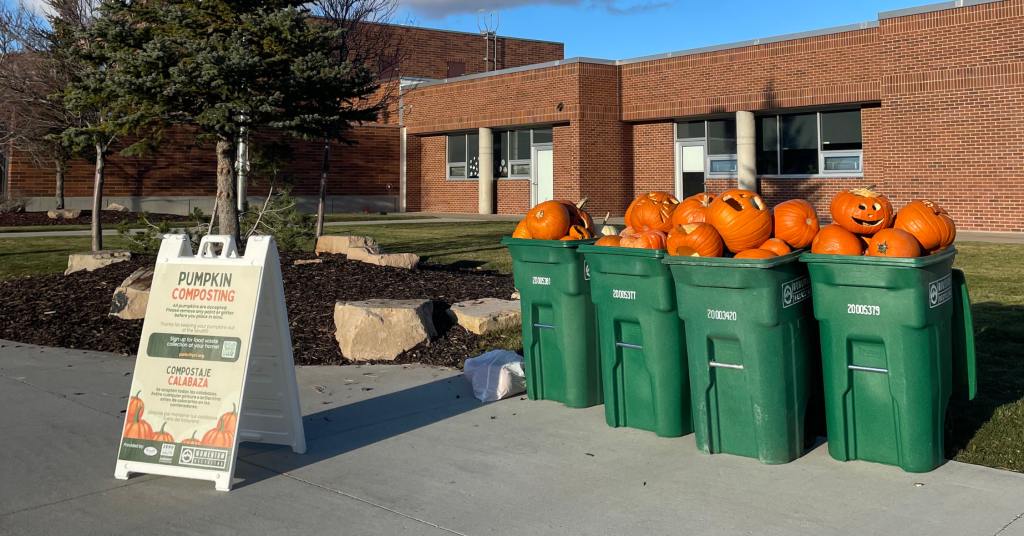
- Objective 1: Reducing and diverting food waste. Strategies include updating sustainability ordinances, launching residential curbside food waste collection, expanding Green Business Program, creating a Sustainable Tourism Toolkit, reducing food waste from schools, and other actions.
- Objective 2: Waste processing strategies. Strategies include scaling current projects and investing in future processing solutions such as micro digesters and other anaerobic and aerobic compost projects.
- Objective 3: Measuring progress. This includes creating a Zero Food Waste Dashboard to measure the community’s progress and celebrating successes along the way.
“We commend Park City, Summit County, and everyone involved for their leadership on the issue of climate change and were honored to be involved in the creation of this strategic plan,” said Ben McAdams. “We sincerely hope other cities and counties within Utah and beyond will use this as a blueprint to replicate this critical work.”This effort to eliminate food waste from the landfill will reduce local methane emissions, save the community millions of dollars down the line in local waste removal, and protect our water sources from contamination. The Zero Food Waste 2030 goal is also well-aligned with Park City’s commitment to reach carbon neutrality by 2030, and the International Olympic Committee’s (IOC) commitment to reduce emissions of the Olympic Games and Paralympics Games.In the coming months, Park City Community Foundation’s Climate Fund will lead the rollout of a campaign to increase participation in curbside food waste collection programs and work alongside local leaders and partners to drive progress towards the Zero Food Waste 2030 goal.“By focusing on food waste, we can have a huge impact on climate change through relatively small behavior changes. To be successful, we need everyone to work together,” says Andy Hecht, Climate Fund Manager at Park City Community Foundation. “Our role will be to convene the various stakeholders, drive action, and ensure we are applying an equity lens to everything we do.”
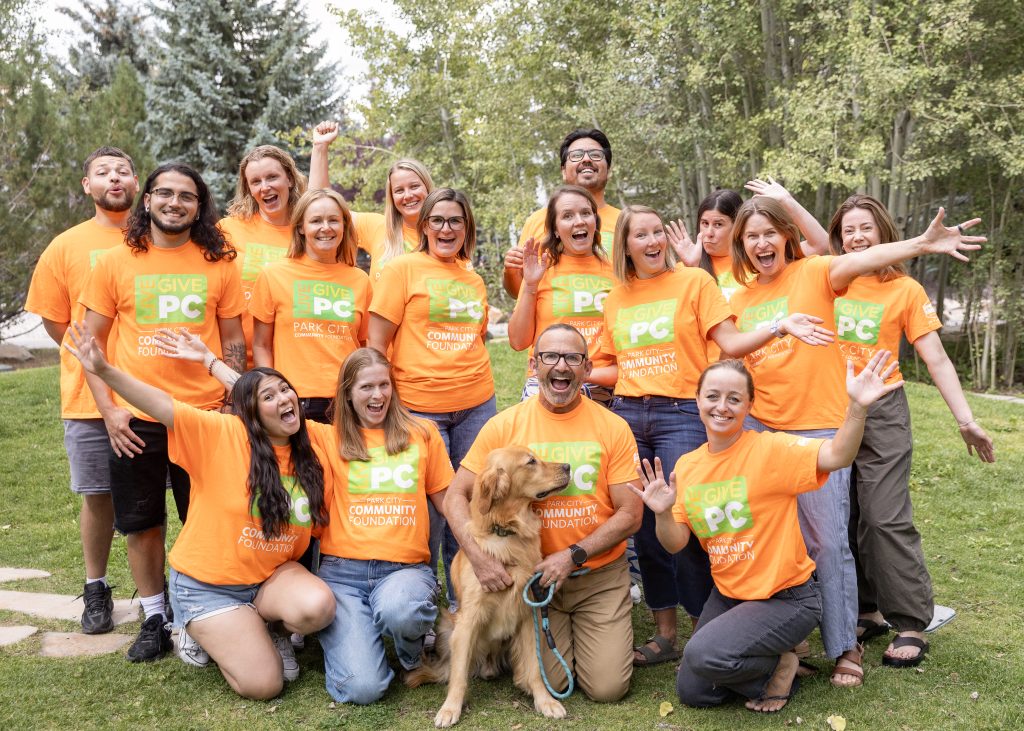
Read the full Zero Food Waste 2030 Strategic Plan »About Park City Community Foundation – The Community Foundation plays a vital role in solving the biggest challenges in greater Park City. It cares for and invests in our people, place, and culture by bringing together local nonprofits, donors, and community leaders to contribute financial resources and innovative ideas to benefit all the people of Park City—now and in the future. As the home of Live PC Give PC, Women’s Giving Fund, the Climate Fund, and other important initiatives, the Community Foundation has generated more than $57.8 million in total impact to the greater Park City community and Summit County since its inception in 2007. Learn more about donating, volunteering, fundraising, and getting involved at
parkcitycf.org.
For more information about the Climate Fund, visit parkcitycf.org/climatefund.Media Contact: Christine Coleman, Park City Community Foundation,
christine@parkcitycf.org, 415-209-8506.