Shredding the Silence: A Community Conversation on Menopause and Resources from the (M) Factor Evening
On March 26, more than 200 women+ from our community gathered for an evening that felt, in many ways, long overdue.
Hosted by Park City Community Foundation’s Women’s Giving Fund in partnership with Park City Film, we came together to watch The (M) Factor: Shredding the Silence on Menopause—a powerful, evidence-based film exploring the hidden impact of menopause on women’s lives. With 55 million women in the U.S. currently navigating this transition, the film offered both validation and clarity, helping to break down stigma and empower women to make informed health decisions.
But what made the evening truly special wasn’t just the film, it was what happened after.
From Film to Conversation
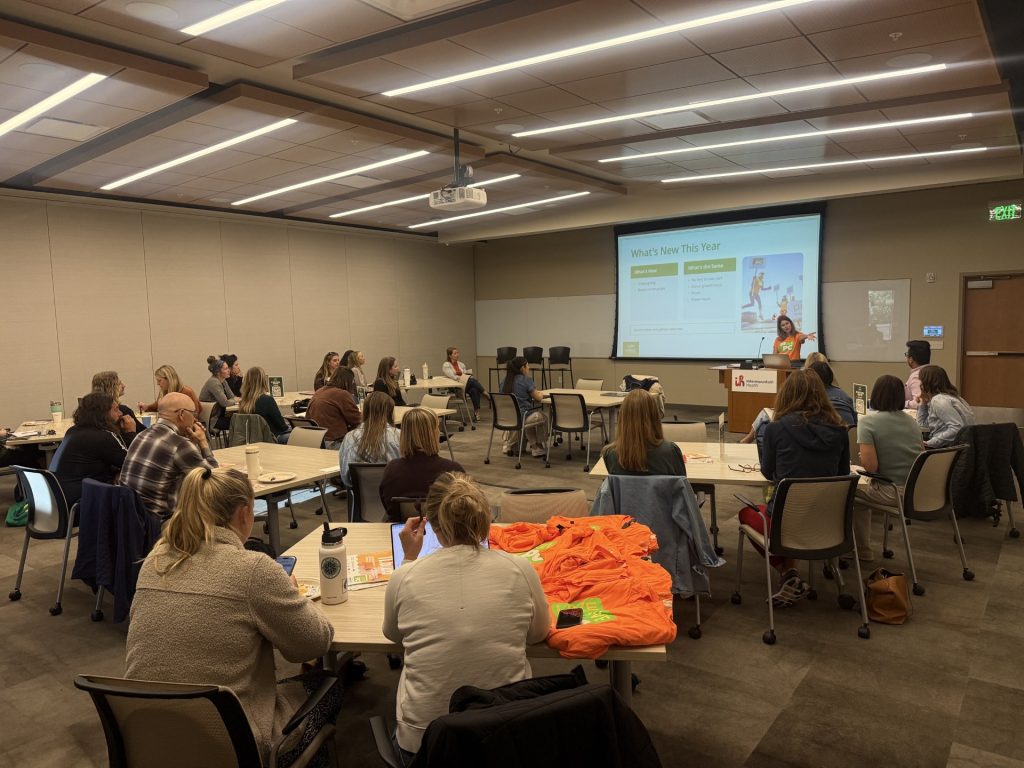
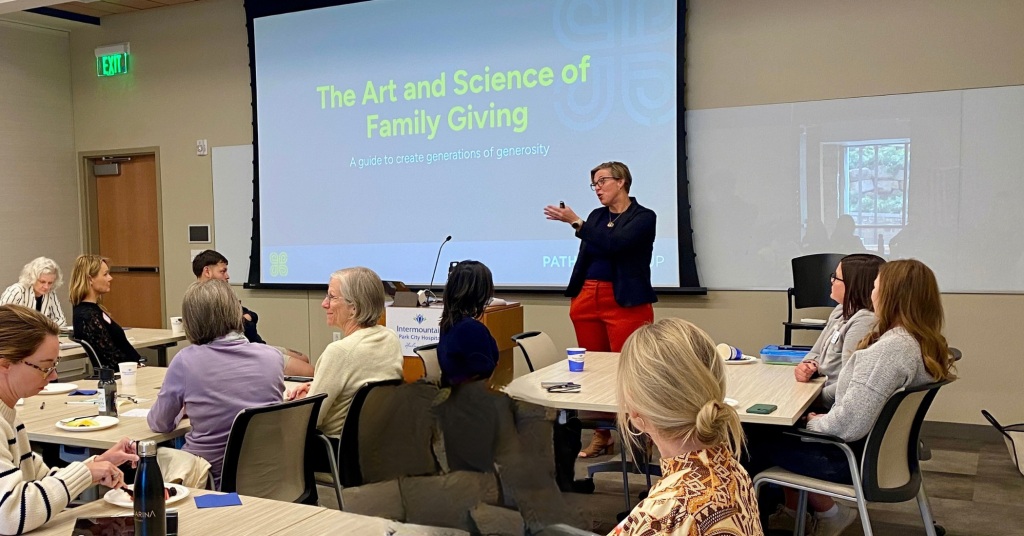
Following the screening, dozens of women participated in small-group discussions led by an extraordinary group of local experts and advocates. These conversations created space for honesty, curiosity, and connection—something many attendees shared they had been missing.
Our discussion leaders included:
- Dr. Jeanne Falk, OB/GYN and Integrative Medicine Physician at Intermountain Health’s Park City Hospital – An Integrative Approach to Menopause
- Kathy Bochnowski, PT, OCS, Cert-DN, and Founder of Happy Body Physical Therapy – Pelvic Health & Menopause
- Linsly Donnelly, Longevity and Peak Performance Strategist – Thriving in Your High Half
- Victoria Glickman Hodgkins, Founder and CEO of Inflexxion Health – Hormone Replacement Therapy (HRT)
- Tara Trebesch, Psychotherapist and Integrative Health Specialist – Brain & Gut Health in Menopause
- Debbie Morton, Alzheimer’s Prevention Advocate – Alzheimer’s Prevention for Women
- Lindsay Wojciechowski, FNP, Integrative and Functional Medicine – Is It Too Late for HRT?
- Dr. Wendy Troxel, Sleep Scientist – Sleep Disturbances & Menopause
Each group explored a different dimension of menopause and aging, from hormones and sleep to mental health, longevity, and purpose. While the topics varied, a few themes emerged again and again: the importance of evidence-based information, the need for self-advocacy, and the power of community in navigating this stage of life.
Many participants told us the evening felt “transformational,” “validating,” and “deeply needed.” We heard loud and clear: this conversation matters, and it’s just getting started. (We’re already working on offering a similar event in Spanish to expand access in our community.)
What We Learned Together
While it’s impossible to capture the full depth of every conversation, here are some of the most meaningful takeaways that surfaced across groups:
Menopause Is More Than a Reproductive Transition
Several experts emphasized that menopause is a neuro-endocrine transition, impacting the brain, metabolism, sleep, and emotional health, not just reproductive function. Understanding this shift can help reframe symptoms like brain fog, anxiety, and fatigue as biological (and manageable), rather than personal failings.
Start with the Foundations
A consistent message, which was echoed strongly by Dr. Jeanne Falk, was that before turning to more complex interventions, it’s essential to focus on the basics:
- Nutrition
- Sleep
- Stress management
These foundational habits play a critical role in supporting brain, heart, and bone health during menopause and can meaningfully reduce symptoms.
Dr. Falk also shared that early signs of perimenopause often include disrupted sleep (like waking around 2 a.m.), feeling overheated at night, brain fog, and cycle changes, though experiences vary widely from woman to woman.
Hormone Therapy: More Nuanced Than Many Realize
Hormone Replacement Therapy (HRT) was one of the most discussed topics of the evening. Leaders emphasized:
- HRT is not one-size-fits-all, it requires individualized care
- Newer research challenges outdated fears and misconceptions
- There are multiple options, including patches, pills, and lower-risk localized estrogen
- Timing, symptoms, and personal health history all matter
For many women, HRT can be an important tool, but it works best alongside a holistic approach to health.
Practical Ways to Support Your Body
Across conversations, women shared and learned simple, actionable ways to support their health during this transition. A few highlights included:
- Prioritizing nutrient-dense foods, including healthy fats and adequate protein
- Supporting bone and heart health with key nutrients like vitamin D and omega-3s
- Being thoughtful about supplements and choosing high-quality, third-party tested options
The takeaway wasn’t about doing everything. It was about making informed, sustainable choices over time.
Sleep Is Both a Symptom and a Solution
Up to 60% of women experience sleep disturbances during menopause. But as Dr. Wendy Troxel shared, sleep challenges are rarely caused by hormones alone.
Key strategies included:
- Creating a consistent wind-down routine
- Keeping the bedroom cool
- Avoiding screens and clocks at night
- Getting out of bed if you can’t sleep (rather than forcing it)
Perhaps most importantly: learning to stop “trying” to sleep can actually help restore it.
Brain Health Is a Long Game
With women making up nearly two-thirds of Alzheimer’s cases, conversations around brain health were especially impactful.
Prevention strategies echoed many of the same lifestyle themes:
- Prioritizing sleep
- Eating a nutrient-dense diet
- Limiting alcohol
- Managing stress
Some participants also explored genetic testing and baseline cognitive assessments as tools for understanding personal risk, especially for those with a family history of Alzheimer’s and dementia.
Advocacy Is Essential
Women often have to advocate for themselves in healthcare settings. Whether it’s asking better questions, seeking second opinions, or finding providers who are up to date on menopause science, being informed is one of the most powerful steps women can take.
A Curated List of Resources
One of the most valuable outcomes of the evening was the wealth of resources shared across discussions. Below is a curated collection to support continued learning:
Websites & Tools
- Linsly Donnelly’s Thrival Toolkit
- Inflexxion Health – Telehealth menopause care, including HRT
- Lindsay Wojciechowski – HRT education and guidance
- Happy Body Physical Therapy – Information from Kathy Bochnowski
- Tara Trebesch – Integrative mental health and menopause support
Podcasts
- It’s Time with Dr. Jen and Linsly
- unPAUSED with Dr. Mary Claire Haver – great interviews and info on HRT, sexual health, GLP-1’s, Alzheimer’s risk, sleep, exercise, brain fog, etc.
- Dr. Streicher’s Inside Information – evidence-based info on all things menopause, libido, aging, etc. with Lauren Streicher, MD.
- 7 Domains of Women’s Health – Kirtly Jones, MD, and Katie Ward, DNP, WHNP, of U of U Health look at women’s health through the seven essential domains of well-being: physical, emotional, social, intellectual, financial, environmental, and spiritual health.
Books
- Estrogen Matters: Why Taking Hormones in Menopause Can Improve Women’s Well-Being and Lengthen Their Lives – Without Raising the Risk of Breast Cancer, Avrum Bluming & Carol Tavris
- The Menopause Brain: New Science Empowers Women to Navigate the Pivotal Transition with Knowledge and Confidence, Dr. Lisa Mosconi
- The Definitive Guide to the Perimenopause and Menopause, Dr. Louise Newson
- The Female Brain, Dr. Louann Brizendine
- Unleash the Power of the Female Brain: Supercharging Yours for Better Health, Energy, Mood, Focus, and Sex, Dr. Daniel Amen
- Unbreakable: A Woman’s Guide to Aging with Power, Vonda Wright, M.D.
- The New Perimenopause: An Evidence-Based Guide to Surviving the Zone of Chaos and Feeling Like Yourself Again, Dr. Mary Claire Haver
- The Menopause Manifesto: Own Your Health with Facts and Feminism, Dr. Jen Gunter
- Next Level: Your Guide to Kicking Ass, Feeling Great, and Crushing Goals Through Menopause and Beyond, Stacy Sims
Moving Forward Together
At Women’s Giving Fund, we believe that when women are informed, connected, and supported, they are better equipped to thrive, not just through menopause, but through every stage of life.
This evening was a powerful reminder of what’s possible when we create space for real conversations. And we’re just getting started.
If you are not yet a Women’s Giving Fund member, please become one! Your membership helps our local community of women+ and children to thrive. Join now >